
Transforming Lives: The Impact of Nonprofits on Vulnerable Children

Updated: May 4
Providing Access to Education
Education is one of the most powerful tools nonprofits use to change children’s lives. Many children in underserved communities lack access to quality schools or learning materials. Nonprofits step in by:
Building schools and classrooms in remote or impoverished areas
Supplying books, uniforms, and school supplies
Offering scholarships and financial aid to cover tuition fees
Running after-school programs and tutoring to help children catch up or excel
For example, organizations like Room to Read have helped millions of children gain literacy skills by creating libraries and training teachers in low-income countries. These efforts give children a chance to break the cycle of poverty through education.
Improving Health and Nutrition
Children’s health directly affects their ability to learn and grow. Many nonprofits focus on providing medical care, vaccinations, and nutrition programs to children who otherwise would not receive these essentials. Key initiatives include:
Mobile clinics that reach children in rural or conflict-affected areas
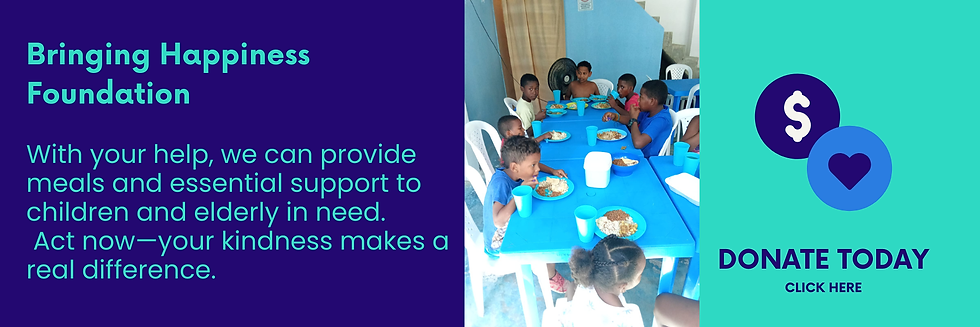
Nutrition programs that provide meals or supplements to combat malnutrition
Health education campaigns teaching hygiene and disease prevention
Mental health support for children facing trauma or stress
For instance, organizations like Save the Children run feeding programs that have reduced malnutrition rates significantly in vulnerable populations. Healthy children are more likely to attend school regularly and participate fully in their communities.
Creating Safe Environments
Safety is a basic need that many children lack due to violence, abuse, or unstable homes. Nonprofits work to create safe spaces where children can feel secure and supported. This includes:
Establishing shelters for children escaping abuse or neglect
Running child protection programs that educate communities about rights and safety
Providing counseling and legal support for victims of exploitation or trafficking
Organizing recreational activities that promote social skills and confidence
An example is the work of UNICEF, which supports child protection systems worldwide to ensure children grow up in safe environments. These efforts help children heal and build resilience.
Supporting Families and Communities
Helping children often means supporting their families and communities. Nonprofits recognize this and provide resources that strengthen the entire support system around a child. This approach includes:
Offering parenting classes and family counseling
Creating income-generating opportunities for parents to improve household stability
Building clean water and sanitation facilities to improve living conditions
Advocating for policies that protect children’s rights and access to services
For example, the organization CARE works with communities to develop sustainable solutions that reduce poverty and improve children’s quality of life. When families are stable, children have a stronger foundation to thrive.
Encouraging Participation and Empowerment
Nonprofits also focus on empowering children to have a voice in their own lives and communities. They encourage participation through:
Youth leadership programs that build skills and confidence
Platforms for children to share their stories and influence decisions
Education on rights and responsibilities to foster self-advocacy
Opportunities to engage in community service and social projects
Programs like Plan International’s “Because I Am a Girl” campaign empower girls to overcome barriers and become leaders. Giving children a sense of agency helps them shape their futures positively.
Measuring Impact and Ensuring Sustainability
Effective nonprofits track their progress to ensure their programs truly benefit children. They use data and feedback to improve services and make sure resources are used wisely. Sustainability is also a priority, with many nonprofits:
Training local staff and volunteers to continue work independently
Partnering with governments and other organizations for long-term support
Focusing on solutions that communities can maintain without ongoing aid
This approach ensures that the positive changes nonprofits create last beyond immediate relief.
The Heart of Change: Stories of Hope
Every child has a story, and every story matters. I have seen firsthand how the efforts of nonprofits can change lives. One heartwarming example is a young girl named Maria. She lived in a small village where education was a distant dream. Thanks to a nonprofit that built a school nearby, Maria now attends classes every day. She is learning to read and write, and her eyes sparkle with hope for a brighter future.
Maria’s story is just one of many. Across the globe, countless children are finding their voices and dreams through the support of nonprofits. These organizations not only provide immediate assistance but also instill a sense of hope and possibility.
Conclusion: Join the Movement
As we reflect on the incredible work done by nonprofits, we are reminded that we all have a role to play. Whether through volunteering, donating, or simply spreading the word, we can contribute to this vital cause. Together, we can help create a world where every child has access to education, health, and safety.
Let us stand united in our mission to bring joy and support to those who need it most. By working together, we can make a difference and help vulnerable children and families thrive.
In the spirit of hope and compassion, let’s continue to uplift one another and create a brighter future for all.



Comments